
About Us
Free the Adoptee exists to serve and amplify the lives, voices, and needs of adoptees and those affected by the family policing system in so-called British Columbia and beyond. Through initiatives in wellness, learning, and advocacy, we work to transform how our community is recognized, listened to, and supported, while challenging longstanding narratives that have shaped our community. Our work is rooted in the belief that a future without family policing is a goal worth fighting for.
Who We Are
-
A future free from family policing.
-
Free the Adoptee exists to serve and amplify the lives, voices, and needs of adoptees and those affected by the family policing system in so-called British Columbia and beyond. Through initiatives in wellness, education, and advocacy, we work to transform how our community is recognized, listened to, and supported, while challenging longstanding narratives that have shaped our community. Our work is rooted in the belief that a future without family policing is a goal worth fighting for.
-
At Free the Adoptee, we are dedicated to creating an accessible and healing space for learning, wellness and change for adoptees and those impacted by family policing. Our work is heavily guided by our values:
Belonging is not something to be earned through assimilation or conformity. It is a fundamental right. Every adoptee and those impacted by the family policing system have the right to exist within community on their own terms, grounded in their identity, lineage, and people. We see belonging as something cultivated over time, both within ourselves and in connection with others and community. It endures despite the systems that seek to sever it.
Dignity: The family policing system has historically affected adoptees and youth-from-care through damaging narratives that silence, diminish, and pathologize us. At Free the Adoptee, upholding dignity means rejecting these harmful narratives. We highlight the full complexity, contradictions, and self-determination of the individuals we support, rather than focusing on their deficits. Although stories can undermine dignity, they can also restore it. Our commitment is to promote the latter.
Integrity involves being responsible for the stories we share and the impact they have. Language and narratives have real consequences. They shape lives, justify displacement, and create consent for harm. We apply the same critical eye to ourselves as we do to the systems we challenge. Practicing integrity means practicing relational ethics: being transparent about our identities, reflecting on our positionality, and being accountable to our communities whose liberation we are committed to.
Innovation isn’t just about creating something new for its own sake. It’s about thinking beyond existing boundaries and considering what's possible when we challenge the limits of traditional methods. We apply a broad, desire-driven imagination to all parts of our work. Even deeply rooted systems can be questioned, challenged, and changed. This belief underpins everything we create and nourish.
Wellness is about comprehensive care, not just crisis response or institutional treatment. It involves caring for the whole person: physical, mental, emotional, and spiritual aspects. Our approach to wellness is proactive, aiming to prevent issues rather than pathologize and punish them. It respects individual autonomy and focuses on giving rather than taking. We believe that healing and learning are interconnected efforts, and that creating a better world for adoptees and those affected by the family policing system is itself an act of care.
Humility involves recognizing that we cannot determine what is best for others and resisting the temptation to do so. This stance directly challenges the authority of the family policing system over children, families, and communities. We approach this work not as superior helpers, but as individuals in relationship, open to being influenced by the stories we hear, learning from our mistakes, and committed to allowing our community to define what care means on its own terms.
Liberation means rejecting the idea that the family policing system is inevitable. It involves imagining and working toward a future where adoptees and those impacted by family policing stay connected to their families, cultures, identities, and stories, instead of being separated by systems that claim to act in their best interests. Rather than trying to reform a system that has harmed our community, we aim to build a world beyond it.
Self-Determination emphasizes that those most affected by family policing have the right to share their stories, make their own choices, and define what care, healing, and support mean for them. At Free the Adoptee, we do not assume to know what people need; instead, we create an environment where individuals can identify and express their own needs.
Who We Are Not
-
At Free the Adoptee, we prioritize your well-being and healing through preventative care. While we're here to support you, please note that we are not an emergency-based service. If you require immediate assistance, we recommend contacting your local crisis helpline or emergency services.
-
Free the Adoptee is an independent organization. We're not a government agency. Instead, we offer a community-focused approach dedicated to wellness, learning and advocacy.
-
Free the Adoptee is not a replacement for legal or adoption agency services. We're here to work toward a future where these adoption systems are dismantled.
A Note on Our Language
At Free the Adoptee, we are always reflecting on, updating, and choosing our words carefully. We prefer using the term “family policing system” rather than “child welfare system.” This terminology, inspired by the work of doctoral students Victoria Copeland and Brianna Harvey, alongside their mentor Dr. Dorothy Roberts, and by many leading Black policing abolitionists, scholars, legal experts, and activists, more accurately describes what this system does. It surveils, investigates, and controls families—disproportionately affecting Indigenous, Black, racialized, newcomer, disabled, queer, low-income, and other marginalized communities. We believe that naming this explicitly is essential to doing our work with integrity.
You will also notice that we refer to so-called British Columbia. This reflects our recognition that the land where we live and work has Indigenous names, histories, and ongoing relationships that predate and persist beyond colonial naming. We use this framing as a small but intentional act of acknowledgment.
We welcome questions about our language. If something is unfamiliar or you’d like to learn more, we’re always happy to connect.
Our Team
-
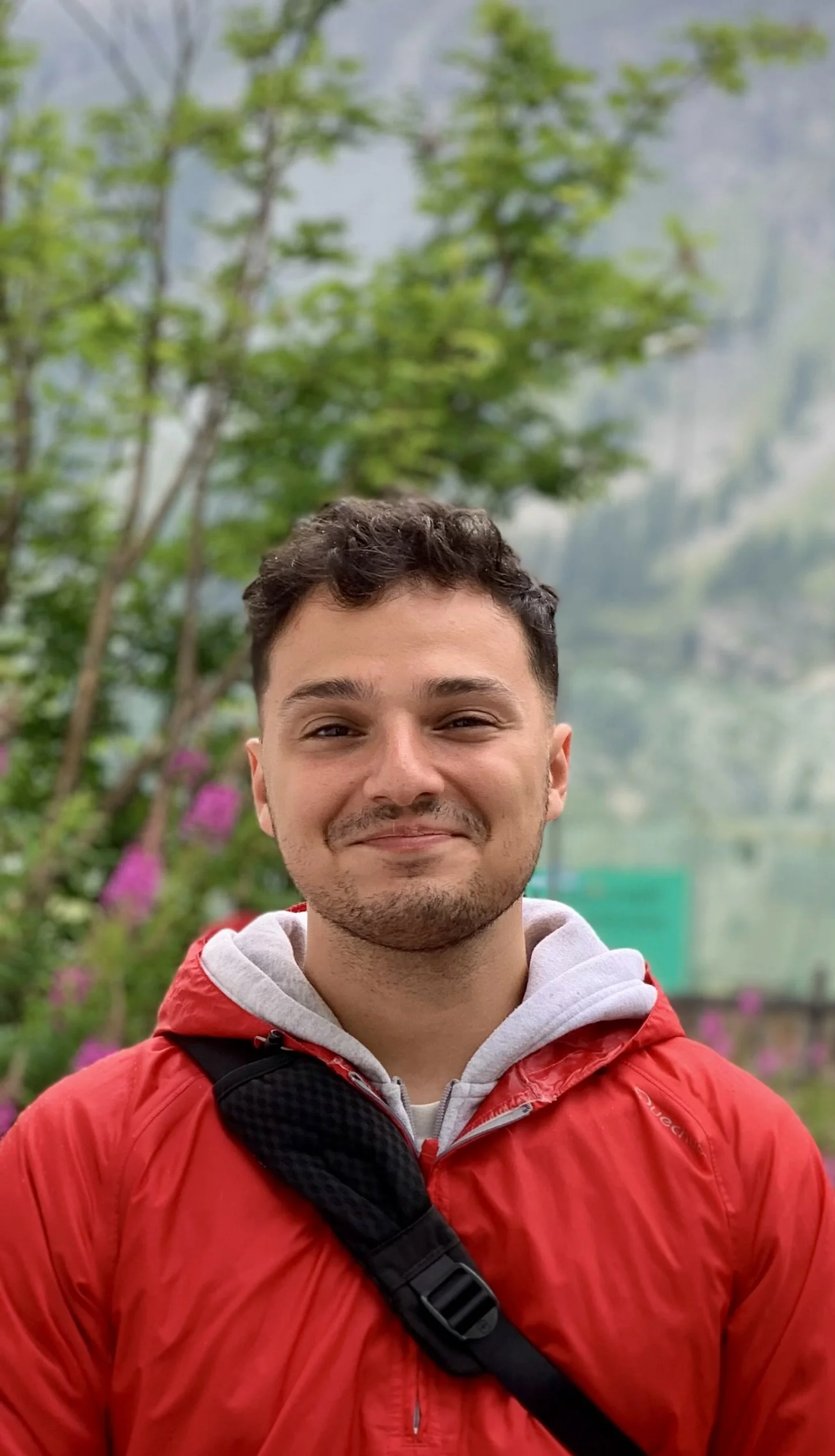
![A smiling young man wearing a red jacket and a gray hoodie, standing outdoors with trees and pink flowers in the background.]()
Marko O. Aguilar Maurer
FOUNDER & DIRECTOR
-
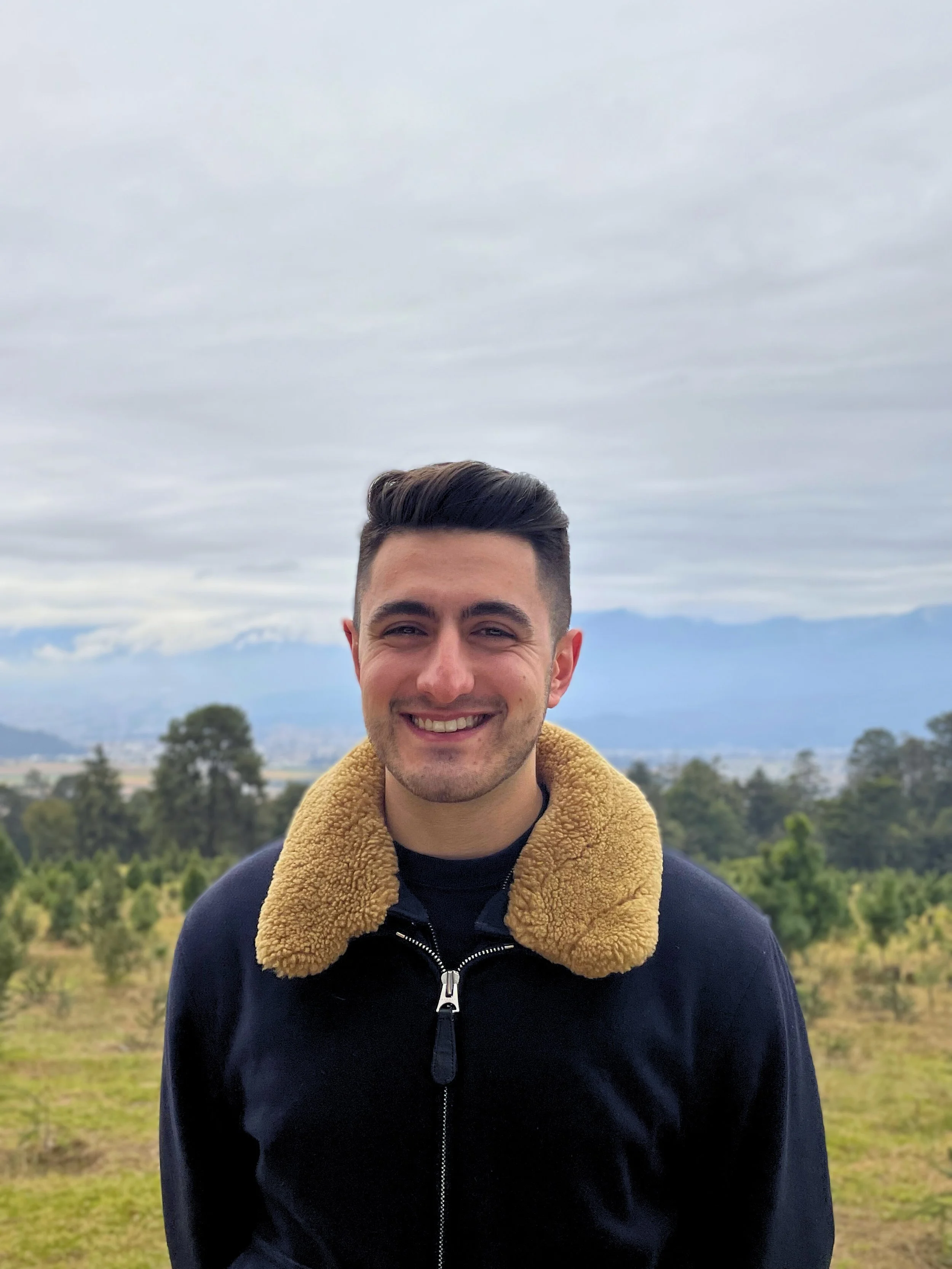
![Smiling young man standing outdoors in a field with trees and mountains in the background, wearing a black jacket with a tan shearling collar.]()
Angelo Aguilar Maurer
ADVOCACY ADVISOR
Our Partnerships
-
Former Youth in Care Community of Practice
Free the Adoptee is a proud member of the Former Youth in Care Community of Practice (FYiC CoP), a network focused on lived experiences that aims to change systems through trauma-informed teamwork, peer leadership, and collective efforts. Our members share a common goal of prioritizing the voices of those “from care,” not as system subjects but as creators of better solutions. We learn from each other, support one another’s initiatives, and aim to build a stronger movement for fair, community-led change.
-
West Coast LEAF Family Well-Being Coalition
Free the Adoptee is a proud member of the BC Family Well-Being Coalition, housed within West Coast LEAF. The Coalition brings together impacted people and advocates committed to systemic change that challenges the family policing landscape in so-called British Columbia through campaigns, research, skill-building, and strategies centred on family well-being and that uplift Indigenous leadership and expertise.
Interested in our work?
Like what you see? We'd love to connect! Regardless of the level of collaboration you're interested in, let's explore ways to make a positive impact together. Join our like-minded community and help us create a supportive space for adoptees and those affected by family policing, focusing on healing, learning, and advocacy.